What will power the Caribbean’s future economy—tourism, oil, or digital business? Explore the opportunities shaping the region’s economic future and why digital entrepreneurship may become the most powerful driver of growth.
Introduction: A Region at an Economic Crossroads
The Caribbean has long been known for its beautiful beaches, vibrant cultures, and thriving tourism industry. For many decades, tourism has served as the backbone of economic activity across the region.
However, global economic changes are forcing Caribbean nations to reconsider their long-term development strategies.
New energy discoveries, emerging digital technologies, and shifts in global trade patterns are creating new possibilities.
This raises an important question:
What will define the future economy of the Caribbean—tourism, oil, or digital business?
Each sector presents both opportunities and challenges, and understanding them can help entrepreneurs, policymakers, and citizens prepare for the future.
Tourism: The Traditional Economic Engine
Tourism remains the most important economic sector for many Caribbean nations.
Countries such as:
- Bahamas;
- Barbados; and
- The Dominican Republic.
receive millions of visitors every year.
The tourism industry supports employment in areas such as:
- hotels and resorts;
- transportation services;
- restaurants and entertainment; and
- retail and local crafts.
In many Caribbean economies, tourism accounts for a significant portion of national income and foreign exchange earnings.
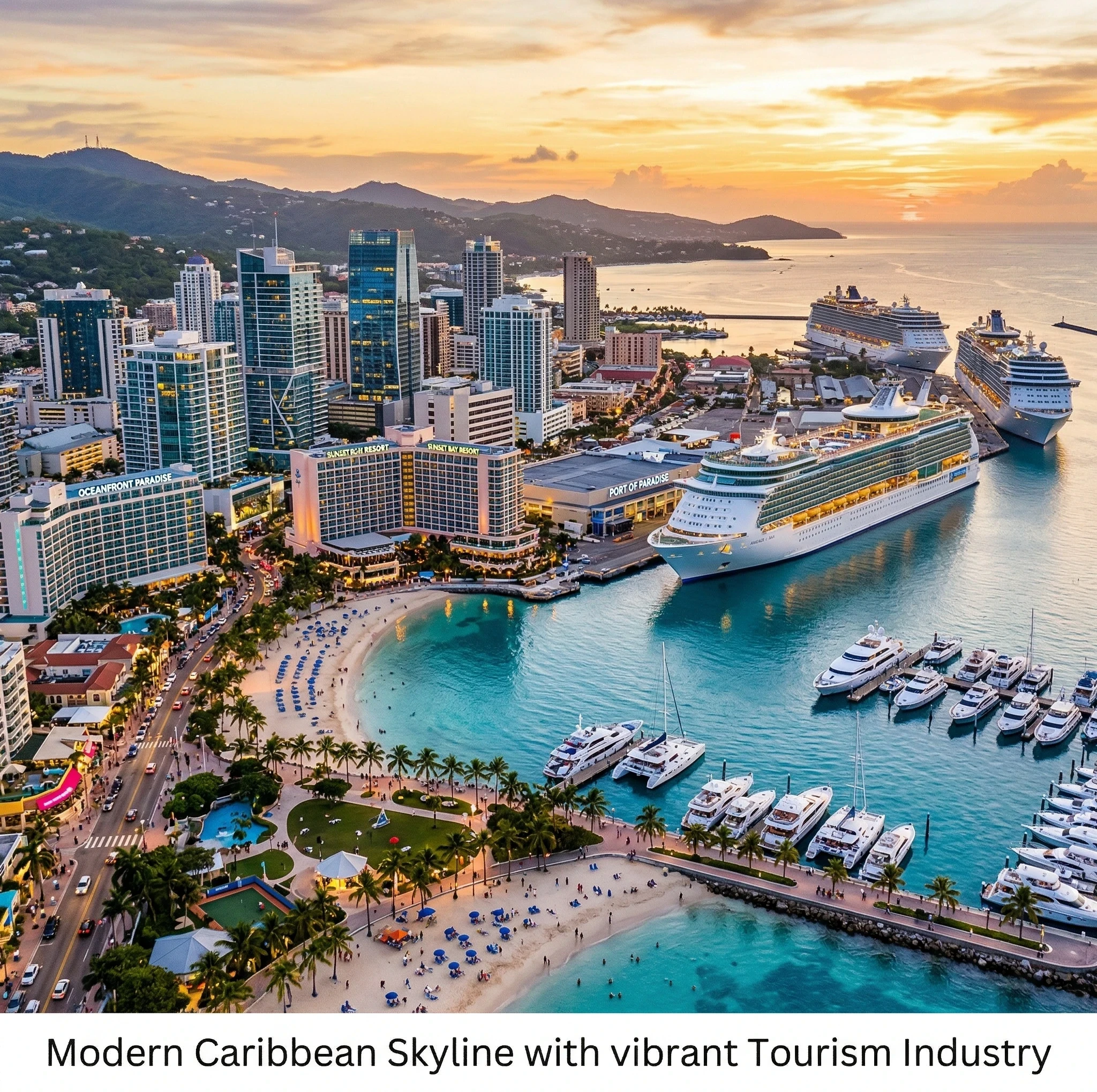
 Caribbean Beach Resorts with tourists.
The Strengths of Tourism
Tourism provides several advantages for the region, such as:
- there is strong global demand for Caribbean destinations;
- opportunities for employment across many sectors;
- it generates significant foreign exchange earnings; and
- provides opportunities for small business development.
For example, the Dominican Republic has built one of the largest tourism industries in the Caribbean, attracting millions of visitors annually.
The Risks of Tourism Dependence
Despite its benefits, tourism has clear vulnerabilities.
Events such as global recessions, pandemics, or natural disasters can dramatically reduce travel demand.
The impact of the COVID-19 pandemic demonstrated how quickly tourism-dependent economies can experience severe economic shocks.
This has encouraged many Caribbean governments to explore economic diversification.
Oil and Natural Resources: A New Economic Frontier
In recent years, energy discoveries have transformed the economic prospects of some Caribbean nations.
The most dramatic example is Guyana, where massive offshore oil discoveries have reshaped the country’s economic outlook.
Oil production in Guyana has rapidly increased, turning the country into one of the fastest-growing economies in the world.
Energy production has also historically played a major role in the economy of Trinidad and Tobago, which has developed a strong petrochemical industry.
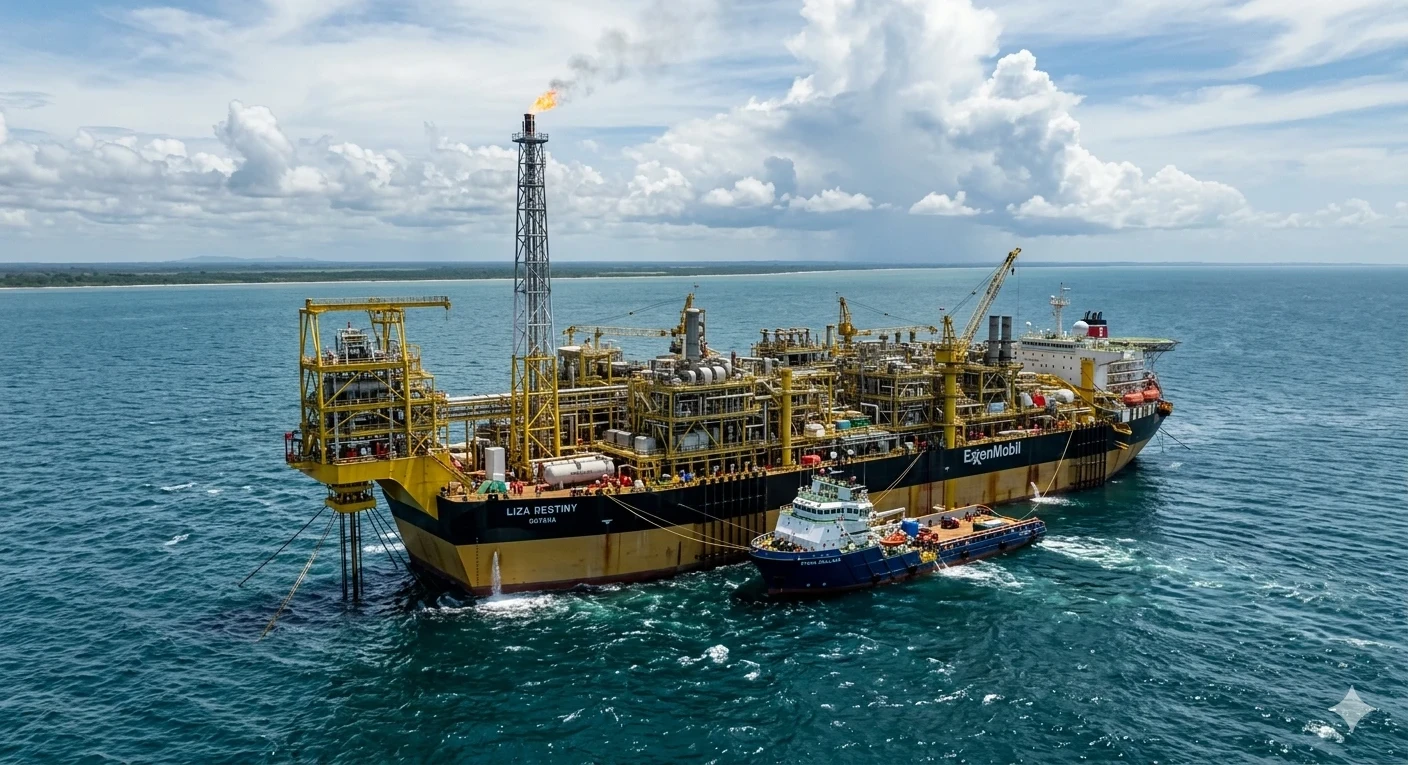 Offshore oil platform near Guyana
The Opportunities of Oil and Energy
Natural resource development can provide:
- governments with increased revenues;
- increased foreign investment;
- support for infrastructure development; and
- expanded industrial capacity
These benefits can significantly accelerate economic growth.
The Risks of Resource Dependence
However, heavy reliance on natural resources can create economic challenges.
These include:
- vulnerability to global energy price fluctuations;
- environmental concerns;
- economic inequality; and
- the so-called “resource curse”.
The “resource curse,” or “paradox of plenty,” refers to the counterintuitive phenomenon where countries with an abundance of natural resources (like oil, gas, and minerals) experience lower economic growth, less democracy, and worse development outcomes than countries with fewer resources. These nations often suffer from corruption, conflict, and economic volatility.
For this reason, economists often recommend that resource-rich countries invest oil revenues into diversified economic sectors.
Digital Business: The Emerging Opportunity
While tourism and oil represent traditional economic sectors, the digital economy represents a new and rapidly expanding opportunity.
Digital businesses operate primarily online, allowing entrepreneurs to serve global markets regardless of geographic location.
This is especially important for the Caribbean, where many countries face structural economic challenges such as small domestic markets and high energy costs.
Why Digital Business Makes Sense for the Caribbean
Digital entrepreneurship offers several advantages that align well with the Caribbean’s economic realities.
These advantages include:
- minimal infrastructure requirements;
- access to global markets;
- scalability without having to provide large capital investment; and
- opportunities for remote work and innovation.
Digital businesses can include activities such as:
- blogging and content creation;
- affiliate marketing;
- online education;
- e-commerce stores; and
- digital consulting services.
Platforms such as Amazon, YouTube, and Instagram have made it possible for individuals to build global audiences and businesses online.
The Rise of Digital Entrepreneurs
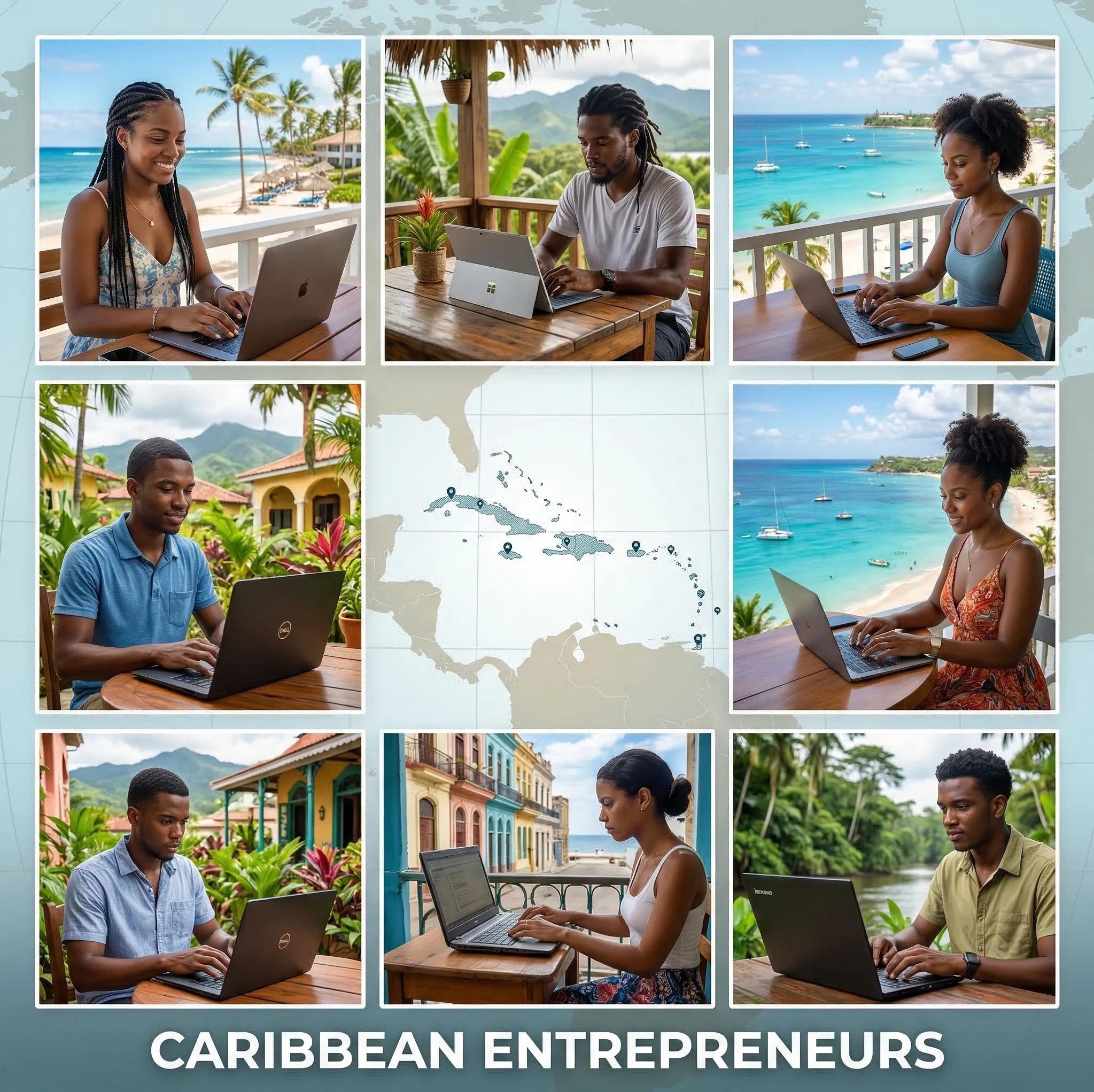
 Entrepreneur working remotely with laptop and global map overlay.
Around the world, millions of people are building businesses based on digital platforms.
These entrepreneurs generate income through:
- creating advertising revenue;
- affiliate marketing;
- producing and providing digital products;
- creating subscription services; and
- providing consulting and coaching services.
The internet has essentially created a borderless marketplace, allowing people from small economies to participate in global commerce.
What Wealthy Affiliate Taught Me About the Digital Economy
One of the most important lessons I learned about digital entrepreneurship came from exploring the training provided by Wealthy Affiliate.
The platform teaches individuals how to build online businesses through:
- website creation;
- search engine optimization (SEO);
- affiliate marketing strategies;
- content creation; and
- online traffic generation.
Before discovering these concepts, I viewed business opportunities mainly through traditional industries such as retail or services.
However, learning about affiliate marketing showed me that a person in the Caribbean can build a website that attracts readers and customers from anywhere in the world.
This realization changed my perspective on what entrepreneurship could look like in the digital age.
Affiliate Disclaimer
Some of the links in this article may be affiliate links. If you choose to purchase a product or service through these links, I may earn a commission at no additional cost to you.
Affiliate partnerships help support the ongoing development of educational content.
Amazon Associate Disclosure
As an Amazon Associate, I earn from qualifying purchases made through links on this site.
If you purchase products through recommended links to Amazon, I may receive a commission while you pay the same price.
Resources for Learning Digital Entrepreneurship
Many people interested in starting an online business begin by reading books and training materials available through Amazon.
These resources often cover topics such as:
- digital marketing strategies;
- online business development;
- search engine optimization; and
- affiliate marketing fundamentals’
Why Wealthy Affiliate Is a Strong Starting Point
For beginners exploring digital entrepreneurship, Wealthy Affiliate provides a comprehensive platform that includes:
- step-by-step training courses;
- website-building tools;
- web hosting services;
- keyword research tools;
- a global community of entrepreneurs’
For someone starting from scratch, having access to structured training and support can make a major difference.
Call to Action: Explore the Digital Opportunity
If you are interested in learning how online businesses work or exploring affiliate marketing opportunities, consider looking into the training available through Wealthy Affiliate.
Developing digital skills can open new economic opportunities that extend far beyond local markets.
Final Thoughts: A Balanced Economic Future
The future economy of the Caribbean will likely include a combination of tourism, natural resources, and digital innovation.
Tourism will remain an important economic pillar.
Energy production will continue to generate revenue for resource-rich nations.
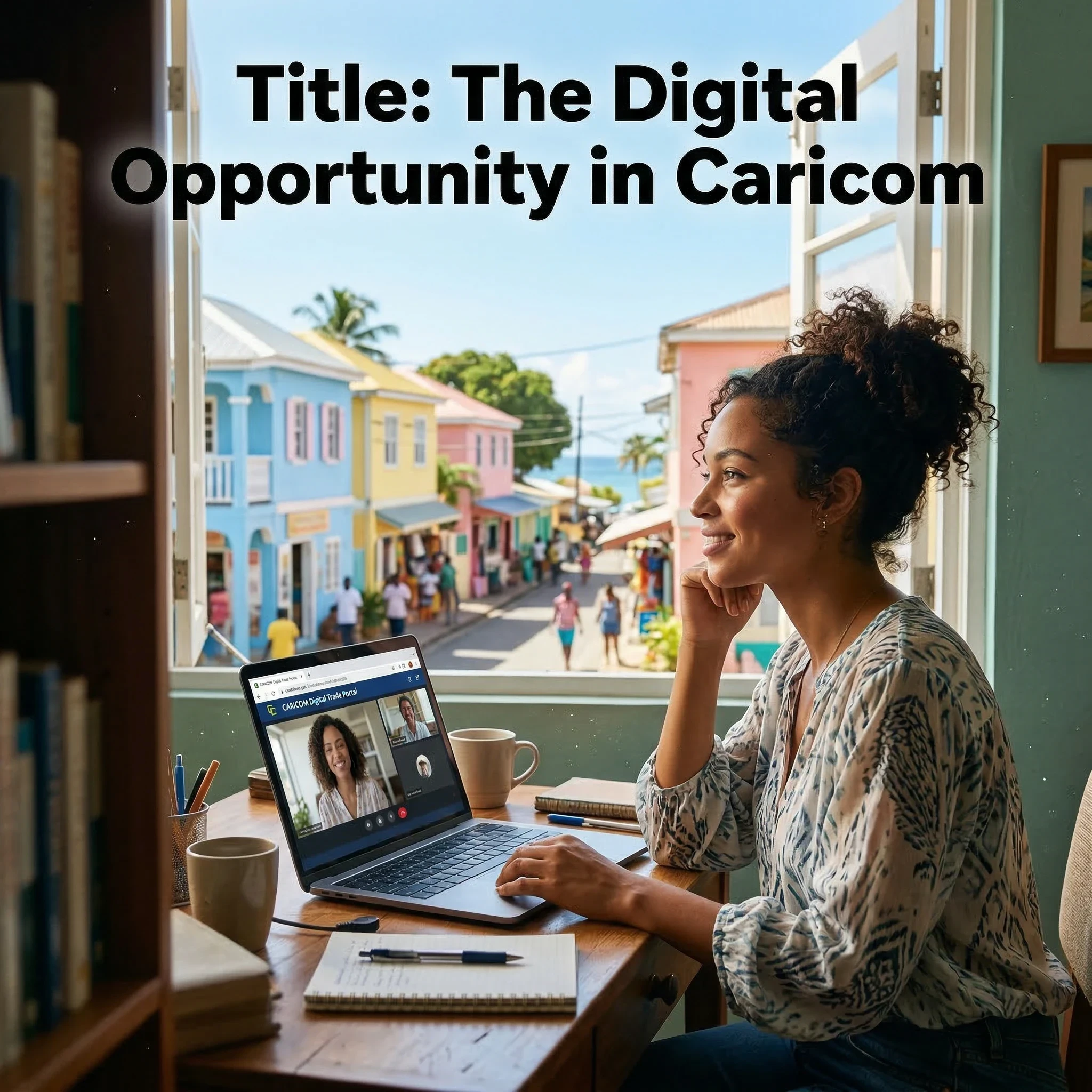
But digital entrepreneurship may represent the most accessible and scalable opportunity for individuals across the region.
By investing in digital skills, expanding internet infrastructure, and encouraging innovation, Caribbean societies can participate more fully in the global digital economy.
In the decades ahead, some of the most successful Caribbean entrepreneurs may not be operating hotels or oil rigs—they may be running online businesses that reach customers all over the world.